Wednesday, June 19, 2013
Thymus Cancer: A Review
During my week I saw a patient with thymus cancer, which is rare. So for this blog, I'm going to do a quick review of what the thymus does and how it is treated nutritionally.
The thymus gland is located in the upper chest, under the breast bone. It's part of the lymphatic system and helps make T-lymphocytes in infancy and childhood, to help fight infection. An interesting note about thymus cancer is that although it is rare, it's most commonly seen in patients with autoimmune diseases like myasthenia gravis, lupus, or rheumatoid arthritis. "Thymic carcinoma" originates in the epithelial cells in the thymus.
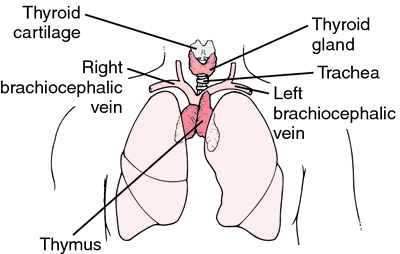
Image from thefreedictionary.com
The most common treatment is surgery to remove the malignant tumor, but chemotherapy and radiation are also possible treatments. Nutritionally, it is treated like any other form of lymphoma; focus on getting enough calories and watch for signs of radiation-swallowing issues since the radiation beam may impact the esophagus. In the case of this patient, we focused on a diet full of antioxidant rich fruits and vegetables, lean meats, and whole grains. The patient was extremely interested in healthy eating, and I would say overall a very successful appointment!
Sunday, June 16, 2013
A Week in Renal
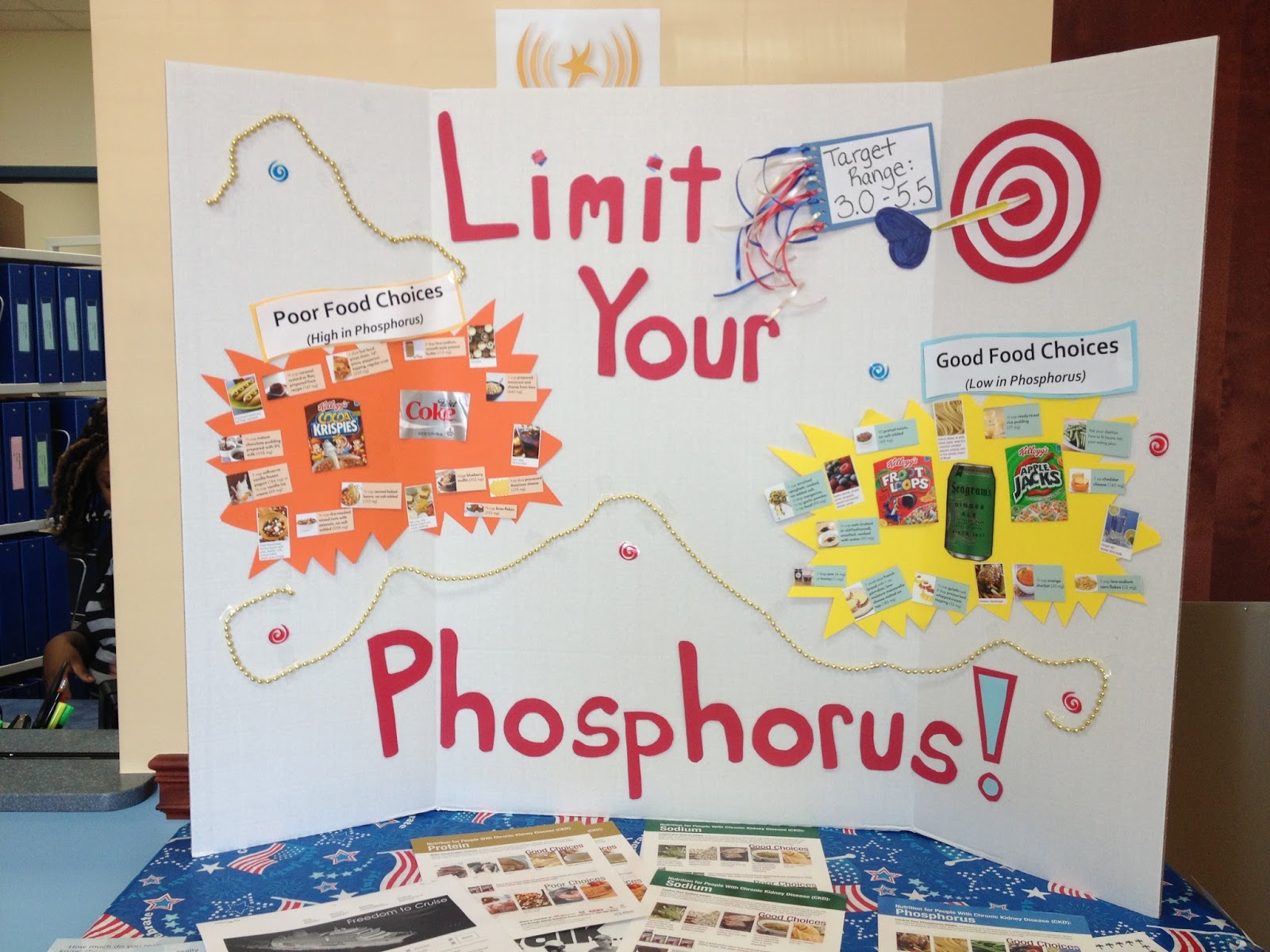
This week I visited two dialysis centers, one in Oxon Hill, MD and the other in Seat Pleasant, MD. It was an amazing experience and great to see the passion each dietitian put into their work. For patients on dialysis, the process is apart of their daily routine. They must set aside 3 - 5 hours, multiple times per week, where they sit hooked up to a dialysis machine. In order to make the experience more bearable, the dietitians (along with center staff) must get creative.
At the center in Oxon Hill, they award “Phos dollars,” to patients with good phosphorus labs. These dollars are then exchanged for prizes like picture frames, kitchen supplies, and puzzle books. It’s a great incentive for the patients and they really seem to enjoy it. The center in Seat Pleasant holds lab coat decorating contests where the patients are the judges. Most recently, they have musical performances by the staff and play music on special occasions like Valentines Day or Christmas.
Lastly, both facilities have monthly “lobby days,” where the patients can taste test renal-friendly alternatives like almond milk and protein bars.
Overall, I learned that keeping an uplifting and inventive approach to patient care is essential in the outpatient dialysis setting.
Tuesday, June 11, 2013
Reflections of the Final Theme Meal: 1950's Soda Shoppe!
![]() |
| Windsor Dining Room: Hostess Stand |
![]() |
| Maria Tadic, Chef Derrick, Nikki Bolduc and Manager Otto |
- Chicken & Dumpling Soup
- Diner-style Mac & Cheese
- Baked Stuffed Tomatoes
- French Fries
- Cheesy Bacon Meatloaf Sandwiches
- Tuna and Potato Chip Casserole
- Caprese Grilled Cheese Sandwiches
- Root Beer Floats
- Malted Milkshakes
- Banana Splits
Monday, June 10, 2013
What’s the deal with the Dialysis Diet?
Monday, June 3, 2013
Your Clinical Survival Guide
Tuesday, May 28, 2013
Nutrition Communications: Pyramid to Plate
Thursday, May 23, 2013
Experiences in Pediatrics
Today was my last day at Children’s National Medical Center (CNMC) in Washington, DC, and what a fantastic experience! Throughout these past two weeks, I worked with four dietitians specializing in varying areas of pediatric nutrition. This week I rotated through the oncology/hematology and bone marrow transplant units. It was truly incredible to see physicians, surgeons, nurses, dietitians, pharmacy, speech pathologists, physical therapists, music therapists, art therapists, and others working together to provide the absolute best treatment for these patients. Rounds with the attending, fellow, residents, pharmacy, and nurses provided an incredible learning experience each morning. The best part of everyday, however, was seeing these patients and watching them progress towards health.
Last week at CNMC, I spent time on the cardiology floor and the cardiac intensive care unit. I was exposed to varying diseases and conditions specific to pediatric patients. Most of these patients had some form of congenital heart defect (CHD) which is a heart abnormality present at birth. These patients require special medical and nutritional care. Most of these patients have very elevated nutritional needs, and some receive oral, enteral, and parenteral nutrition simultaneously to meet their metabolic demands. During this week I chose a case study patient to assess, develop a plan of care, and follow-up with. I used this experience to research more about CHD and its impact on growth, development, and nutritional status in infants.
Because today was my last day, I presented my findings and case study to the other dietitians at CNMC. Overall, I learned so much more then I had anticipated. I found that I actually really enjoyed working with the pediatric population, and I am so grateful for this experience
Below are a few screen shots of my presentation.